Is Glyphosate Affecting Your Hormones? What Perimenopausal Women Need to Know
If you eat bread, oats, or legumes in Australia, it is likely that glyphosate has made its way into your diet at some point. Food Standards Australia New Zealand (FSANZ) has detected glyphosate residues in Australian bread samples through its Australian Total Diet Study - the national program that monitors what Australians are actually eating. Glyphosate is registered for use on over 500 products in Australia, from broadacre farming to home gardens, and is commonly applied to grain crops before harvest. Residues can also turn up in foods not directly sprayed, because the herbicide moves through water and soil.
Most of us know glyphosate as the active ingredient in Roundup, the world’s most widely used weedkiller. What fewer people know is that the science exploring glyphosate’s potential effects on human health - particularly around hormones, the gut, and cancer risk - has been growing steadily for years. The picture is not yet complete, and there is genuine scientific debate. But for women navigating perimenopause and menopause, there is enough in this body of research to make it worth understanding.
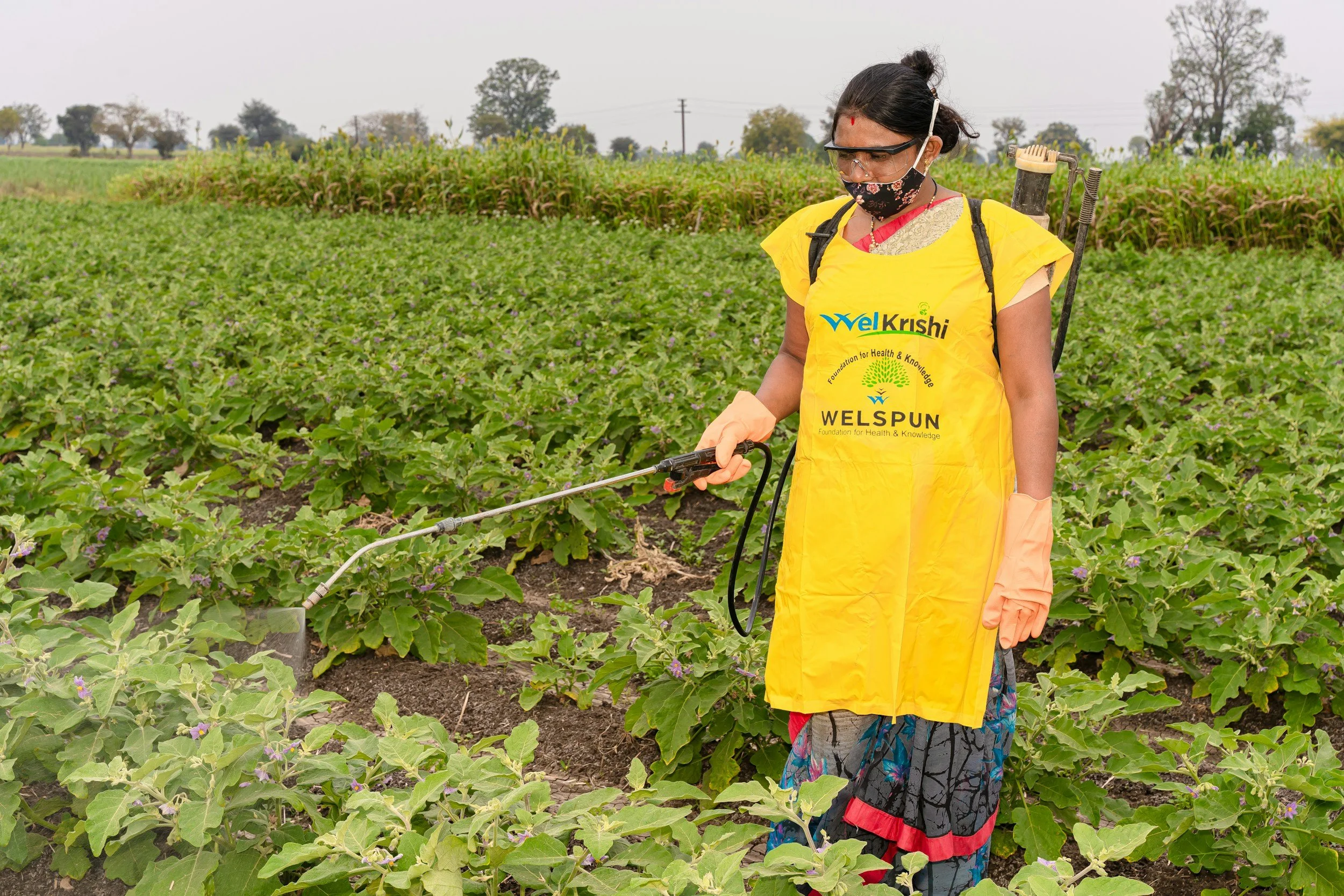
It’s not just agricultural workers who need to be concerned about glyphosate.
This is not a call to worry. We cannot avoid glyphosate entirely - it is too embedded in the modern food system for that. But we can make informed, practical choices. And understanding why this particular chemical may be more relevant during midlife is genuinely useful information - the kind that empowers rather than overwhelms.
What this article covers:
1. What is glyphosate, and how did it get everywhere?
2. The known health impacts of glyphosate: what the science actually says
3. The gut-glyphosate connection: why this hits home for women with IBS and digestive issues
4. Glyphosate as an endocrine disruptor: the hormone link
5. Why perimenopause and menopause raise the stakes
6. What you can realistically do to reduce your exposure
7. The Bottom Line

Make it stand out
Whatever it is, the way you tell your story online can make all the difference.
1. What Is Glyphosate, and How Did It Get Everywhere?
Glyphosate is a broad-spectrum herbicide - meaning it kills most plants it contacts. It was introduced by Monsanto in 1974 under the brand name Roundup and became the world's bestselling herbicide following the development of 'Roundup Ready' genetically modified crops in the 1990s. These crops were engineered to tolerate glyphosate, so farmers could spray entire fields to kill weeds without harming their crops.
Since then, glyphosate use has expanded dramatically. In Australia, it is registered for use on over 100 crops and is widely used in public spaces, home gardens, roadsides, and parks. Beyond GM crops, it is commonly applied to non-GM grains - including wheat, oats, and barley - as a 'desiccant' shortly before harvest. This pre-harvest application is one reason residues are detected in grain-based foods that people typically assume are pesticide-free.
The result is a herbicide that has become difficult to avoid entirely. In Australia, FSANZ has detected glyphosate residues in bread samples through the Australian Total Diet Study, confirming that dietary exposure is a reality for Australian consumers - though FSANZ notes these levels remain below maximum residue limits. Internationally, a 2021 Swedish biomonitoring study (Faniband et al.) found detectable glyphosate in 20% of urine samples from young adults with no direct agricultural exposure, consistent with general dietary exposure across European populations. Separate US research using data from the National Health and Nutrition Examination Survey (NHANES) has confirmed glyphosate is detectable in the urine of a large proportion of the general population. This is not a problem confined to agricultural workers. It is a general-population exposure question.
It is also worth understanding the limitations of Australia’s regulatory framework when it comes to glyphosate. In 2023, an independent strategic review of the APVMA - Australia’s chemical regulator - conducted by law firm Clayton Utz and commissioned by the then Agriculture Minister Murray Watt, found serious and systemic problems with the agency’s operations. The review found that the APVMA had been captured by industry interests, had prioritised approvals and registrations over monitoring, compliance and enforcement, and had chemical safety reviews ongoing for more than 17 years. Following the report’s release, the Minister issued a formal direction for the APVMA to urgently finalise those stalled reviews, and both the CEO and Board Chair resigned. The APVMA’s last formal assessment of glyphosate was published in March 2017, and its position has not changed since. In February 2026, following the retraction of a key pro-safety paper that had been widely cited by international regulators - retracted after internal documents revealed it had been ghostwritten by Monsanto employees using unpublished Monsanto data, with undisclosed payments to the listed authors - the APVMA confirmed it had not heavily relied on that paper and stood by its existing position. This does not mean that Australian food is unsafe. But it does mean that the APVMA’s reassurances are based on an assessment now nearly a decade old, and that the broader evidence base those reassurances rest on continues to be scrutinised. As a consumer, applying your own informed, precautionary approach is a reasonable response to that uncertainty.
2. The Known Health Impacts of Glyphosate: What the Science Actually Says
This is where we need to be precise. There is a great deal of information about glyphosate online - some of it well-supported, some speculative, some outright misleading in both directions. The following is based on peer-reviewed research, with the strength of evidence noted honestly throughout.
Cancer - particularly non-Hodgkin lymphoma
The most well-established concern around glyphosate is its association with non-Hodgkin lymphoma (NHL), a cancer of the immune system. In 2015, the International Agency for Research on Cancer (IARC) - a WHO body - classified glyphosate as 'probably carcinogenic to humans' (Group 2A), based on a review of the available evidence published in The Lancet Oncology (Guyton et al., 2015).
A major 2019 meta-analysis in Mutation Research (Zhang et al.) analysed six epidemiological studies and found that the highest levels of glyphosate exposure were associated with a 41% increased risk of NHL. Separate case-control studies have found similar associations (Eriksson et al., 2008; McDuffie et al., 2001; De Roos et al., 2003). Animal studies have also shown tumour formation at high doses, and there is experimental evidence that glyphosate may promote tumorigenesis in breast tissue through epigenetic changes (Duforestel et al., 2019).
It is important to be honest about what this means. These are associations and 'probable' classifications, not definitive proof that glyphosate causes cancer in any given individual. Regulators in different countries have reached different conclusions. But the weight of evidence - particularly for NHL - is substantial enough that it cannot be dismissed.
Endocrine disruption - effects on sex hormones
A 2023 study using National Health and Nutrition Examination Survey (NHANES) data - a large, nationally representative US population survey - found that people with detectable urinary glyphosate had lower estradiol levels, a trend toward lower testosterone, and lower ratios of both hormones to sex hormone-binding globulin (SHBG) (Geier & Geier, 2023, Chemosphere). This is a human study, not an animal or cell-based study, which makes it particularly relevant.
Laboratory research has added biological plausibility. A 2013 study found that glyphosate stimulated the growth of human breast cancer cells via estrogen receptors, even at low doses (Thongprakaisang et al., Food and Chemical Toxicology, 2013). Other in vitro work has shown that glyphosate can interfere with the enzyme aromatase, which is central to estrogen production.
The honest caveat here is that demonstrating hormone disruption in a population study is not the same as proving causation. But the human data is meaningful, and the underlying biological mechanisms are consistent with what we see in laboratory work.
Liver and metabolic effects
A 2023 study from the CHAMACOS cohort - a long-running human birth cohort study in the US - examined the relationship between lifetime glyphosate exposure (measured as glyphosate and its main breakdown product, AMPA) and health outcomes in young adults. The findings showed that higher lifetime glyphosate exposure was associated with elevated liver enzymes, liver inflammation, and metabolic syndrome (Eskenazi et al., Environmental Health Perspectives, 2023). This is one of the strongest direct human studies on glyphosate's metabolic impact.
Broader claims about glyphosate causing fatty liver disease or type 2 diabetes in the general population extend beyond what this evidence demonstrates, and should be treated with appropriate caution. But liver and metabolic health is a legitimate area of concern, with solid human data behind it.
Gut and microbiome disruption
Glyphosate inhibits a metabolic pathway called the shikimate pathway, which is used by plants and bacteria - but not human cells - to produce certain amino acids. This is the basis for its action as a herbicide. The concern is that gut bacteria also use this pathway, meaning glyphosate may selectively suppress or alter beneficial bacterial species while leaving more resistant (often less beneficial) ones intact.
Research by Samsel and Seneff (Entropy, 2013; Interdisciplinary Toxicology, 2013) proposed that this mechanism could contribute to dysbiosis, intestinal permeability, and conditions such as coeliac disease and gluten intolerance. These are largely mechanistic hypotheses, and the direct human causal evidence is limited. However, the biological rationale is coherent, and the gut microbiome literature is increasingly showing that even small perturbations in microbial balance can have significant downstream effects.
This area warrants attention, but honest uncertainty. We do not yet have strong human trial data directly linking glyphosate intake to gut disease in the general population.
Reproductive and developmental effects
Animal and cell-based studies have raised concerns about glyphosate's effects on reproduction and fetal development, including embryo malformations and disruption of retinoic acid signalling - a pathway critical to normal fetal development (Paganelli et al., Chemical Research in Toxicology, 2010; Antoniou et al., Journal of Environmental and Analytical Toxicology, 2012). Laboratory research has also suggested teratogenic effects at doses relevant to real-world exposure in some animal models.
It is important to note that most of this evidence comes from animal or cell studies. Direct human evidence in this domain is more limited. Some researchers have raised concerns about neural tube defects and shortened pregnancies, but these claims extend beyond what the cited studies demonstrate. The reproductive concerns are plausible but not yet firmly established in humans.
Neurological and other speculative associations
Some notes and online resources link glyphosate to anxiety, depression, autism spectrum disorder, Parkinson's disease, ALS, and dementia. These claims circulate widely, but the honest position is that the glyphosate-specific evidence for most of these is very limited. There is interesting neurobiology literature on glutamate/GABA imbalance and neuroinflammation, and general literature on excitotoxicity - but the direct connection to glyphosate in humans is not established. These should not be presented as known effects.
Oxidative stress and DNA damage
Multiple studies have identified evidence of oxidative stress and genotoxicity in populations exposed to glyphosate. This is a recurrent theme in the toxicology literature. Oxidative stress is a mechanism through which many environmental chemicals can contribute to cellular damage - it is not unique to glyphosate, but its presence is consistent with the broader pattern of concern.
Make it stand out
The gut microbiome is increasingly understood to be central to immune function, mood, metabolism, and - critically for women in midlife - hormone regulation. A healthy and diverse microbiome helps to process and eliminate used estrogens. A disrupted microbiome can interfere with this process, contributing to the recycling of estrogen back into circulation (a mechanism of specific microbes sometimes referred to as the estrobolome).
3. The Gut-Glyphosate Connection: Why This Hits Home
For women (or anyone!) who already lives with IBS, bloating, irregular bowel habits, or other digestive issues - and many women in perimenopause do - the gut microbiome question is not abstract. It is personal.
The gut microbiome is increasingly understood to be central to immune function, mood, metabolism, and - critically for women in midlife - hormone regulation. A healthy and diverse microbiome helps to process and eliminate used estrogens. A disrupted microbiome can interfere with this process, contributing to the recycling of estrogen back into circulation (a mechanism of specific microbes sometimes referred to as the estrobolome).
Glyphosate's proposed mechanism of action on gut bacteria - inhibiting the shikimate pathway in those species that rely on it - raises the question of whether regular dietary exposure contributes to the kind of low-grade dysbiosis that affects digestive comfort and downstream hormone balance. We do not yet have a definitive human clinical trial to confirm this. But the biological logic is sound, and for women already dealing with gut symptoms, reducing unnecessary exposures to potential microbiome disruptors is a reasonable harm-minimisation strategy.
There is a detail about glyphosate that surprises most people: it has been patented as an antimicrobial agent. In 2003, Monsanto filed a patent - granted in 2010 (US Patent 7,771,736) - proposing glyphosate's use against parasitic infections including malaria, based on its ability to inhibit the shikimate pathway in parasites. The same pathway, present in bacteria but not in human cells, is the one used by gut microbes. This has led researchers to ask whether chronic low-level dietary exposure to glyphosate functions, in effect, as a broad-spectrum antimicrobial insult to the gut - indiscriminate in the way that antibiotics are, suppressing beneficial bacteria alongside harmful ones. Writing in the Journal of Antimicrobial Chemotherapy (2021), Raoult and colleagues noted that glyphosate is both a herbicide and a registered antibiotic drug, and raised the question of whether its widespread agricultural use may be a driver of antimicrobial resistance through modification of the microbial environment. The analogy is imperfect - glyphosate was never proven effective as a clinical treatment and the patent was narrow in scope - but the underlying biology raises a legitimate question about what happens to a living gut ecosystem with repeated, low-grade exposure to a chemical that, by design, disrupts the metabolic pathway bacteria depend on.
It is also worth noting that gut inflammation itself is worsened by stress, poor sleep, and hormonal fluctuations - all of which are more common in perimenopause. The gut is already under pressure during this time of life. Adding unnecessary chemical insults to that system is worth avoiding where you can.
One of the more intriguing areas of emerging research concerns the possible connection between glyphosate and coeliac disease. A 2020 peer-reviewed critical review published in Frontiers in Microbiology by Barnett and Gibson from the University of British Columbia examined the parallel rise in wheat intolerance and glyphosate use, and found that gluten itself may not be the primary driver of the growing number of people experiencing wheat-related gut symptoms. The researchers identified a specific mechanism: glyphosate may suppress populations of Rothia bacteria in the gut - species that play a key role in degrading gluten proteins. When Rothia populations are reduced, gluten fragments may pass through the gut wall less well-digested, potentially triggering the immune response characteristic of coeliac disease. The authors concluded that glyphosate exposure - including through pre-harvest desiccation of wheat crops - could be "an environmental trigger in the development of celiac disease." This is a review rather than a direct human trial, and the researchers themselves called for longer-term studies at realistic dietary exposure levels. But for women who have struggled with wheat sensitivity, IBS, or unexplained digestive symptoms, it is a hypothesis worth knowing about - and one more reason to consider choosing organic wheat and oat products where you can.
4. Glyphosate as an Endocrine Disruptor: The Hormone Link
Endocrine disruptors are chemicals that interfere with the body's hormone system. They can mimic hormones, block hormone receptors, or alter the production, transport, or breakdown of hormones. Glyphosate appears to act through several of these mechanisms.
The 2023 NHANES-based study (Geier & Geier) found lower estradiol and testosterone in adults with detectable urinary glyphosate - real, measured effects in a real human population. The laboratory finding that glyphosate can stimulate estrogen-receptor-positive breast cancer cell growth (Thongprakaisang et al., 2013) adds biological plausibility to concerns about estrogen pathway interference.
There is also evidence that glyphosate suppresses cytochrome P450 (CYP) enzymes, a family of enzymes critical to hormone metabolism, detoxification, and the activation of vitamin D (Samsel & Seneff, Entropy, 2013). If CYP enzyme activity is impaired, the body's ability to process and eliminate both endogenous hormones and external chemicals may be compromised.
Again - these are associations and mechanisms, not confirmed causal chains in humans. But for women whose hormones are already in transition, an environmental chemical that appears to act on estrogen pathways, testosterone levels, and the enzymes responsible for processing hormones is a legitimate concern that deserves to be named.
5. Why Perimenopause and Menopause Raise the Stakes
Here is the core of it: in perimenopause and menopause, your hormonal buffer zone narrows. Estrogen and progesterone levels become erratic, then decline. The body is working harder to maintain balance across multiple systems simultaneously - cardiovascular, neurological, metabolic, skeletal, and immune. During this window, additional stressors to those systems carry more weight.
Declining hormones make endocrine disruption more impactful
When estrogen is relatively abundant, small fluctuations caused by external chemicals may be less noticeable. As estrogen declines during perimenopause, even modest interference with estrogen production, metabolism, or receptor activity can be more significant. The NHANES data showing lower estradiol in people with detectable urinary glyphosate is concerning at any age - but it is particularly relevant for women whose estradiol is already in decline.
The gut is already under pressure
Estrogen plays a role in gut motility, intestinal barrier function, and microbiome composition. As estrogen drops, many women notice changes in their digestion - bloating, constipation, or new food sensitivities that they did not have before. The gut is already in a period of adaptation. A microbiome disruptor like glyphosate adds to that burden, potentially amplifying symptoms that are already present.
Metabolic vulnerability increases
Metabolic syndrome - the cluster of conditions including central weight gain, elevated blood sugar, high triglycerides, and high blood pressure - becomes more common after menopause. The CHAMACOS study finding linking glyphosate exposure to metabolic syndrome and liver inflammation (Eskenazi et al., 2023) is therefore especially relevant for this population. The metabolic vulnerabilities of menopause and the metabolic effects suggested in the glyphosate research overlap in a way that should not be ignored.
Liver detoxification capacity matters more
The perimenopausal liver is managing more. It is processing shifting hormone levels, and in many women, it is also managing the effects of stress, disrupted sleep, and the cumulative load of decades of environmental exposures. If glyphosate does suppress CYP enzyme activity, as the mechanistic literature suggests, this is a concern for a liver that is already being asked to do a great deal.
Cancer risk is an age-related reality
The risk of most cancers, including non-Hodgkin lymphoma, increases with age. The cancer associations in the glyphosate research - while not definitive - are most relevant during the years when cancer risk is rising. This is precisely the life stage we are talking about.
6. What You Can Realistically Do to Reduce Your Exposure
Let's be direct: you cannot eliminate glyphosate from your life. It is in the rain, in waterways, in soils that have been treated for decades. Even organic produce may carry trace residues from neighbouring land. The goal is not perfection. It is meaningful reduction of your personal exposure - particularly through the food you eat, which is the most controllable source.
And, sadly all those social media influencers who recommend bicarb soda and apple cider vinegar (and various other strategies) to wash the pesticides off your produce, are wrong. It’s already ‘in’ the produce because it’s in the soil and is taken up into the plant, the leaves, the fruit, the grain - and, yes also ‘on’ it - so wash your produce to get the dirt off but you’re not reducing your pesticide load. Keep the apple cider vinegar to put in a lovely dressing, though!
Prioritise organic for high-risk foods
The foods most likely to carry extra glyphosate residues are those sprayed with it as a pre-harvest desiccant: wheat, oats, barley, lentils, chickpeas, and dried beans. Choosing organic versions of these foods - particularly if you eat them regularly - is one of the highest-impact changes you can make. You do not need to go entirely organic. Focus your spending on staples: bread, oats, legumes. These tend to be the foods that people eat the most, in quantity and frequency.
Eat whole, minimally processed foods
Glyphosate residues tend to concentrate in processed grain products. A bowl of whole rolled oats (organic where possible) carries lower overall chemical load than an ultra-processed breakfast cereal or packaged biscuit made from multiple sprayed grains. Another reason for avoiding processed foods!
Eat a diverse, plant-rich diet to support your microbiome
The best protection for your gut microbiome is feeding it well. A wide variety of vegetables, fruits, legumes, and fermented foods supports microbial diversity and resilience. A diverse, well-fed microbiome is better placed to withstand environmental perturbations - including chemical exposures. Aim for 30 or more different plant foods per week if you can manage it.
Filter your drinking water
Glyphosate residues have been detected in some tap water supplies. A good quality carbon filter or a reverse osmosis system can remove or significantly reduce glyphosate in drinking water. This is worth considering if you are on a town water supply in an agricultural area.
Support your liver
If glyphosate does place a burden on liver detoxification capacity, then supporting liver function is a sensible strategy. This means minimising (or quitting) alcohol, prioritising sleep, staying well-hydrated, eating foods that support liver health (cruciferous vegetables, bitter greens, adequate protein), and managing stress where you can. None of this is glyphosate-specific - it is good general practice for midlife health.
Reduce other sources of endocrine disruption
Glyphosate does not act in isolation. It is one of many endocrine-disrupting chemicals in the modern environment, alongside plastics (particularly BPA and phthalates), synthetic fragrances, and certain personal care products. Reducing your overall endocrine disruptor burden - rather than fixating on any single chemical - is a practical approach. Swap plastic food containers for glass or stainless steel, choose fragrance-free personal care products, and avoid heating food in plastic.
Consider working with a practitioner
If you have existing gut symptoms, hormonal disruption, or metabolic concerns, a naturopath or integrative practitioner can help you assess your individual risk and prioritise the changes most relevant to your situation. There is no one-size-fits-all approach here. Your dietary patterns, health history, and exposure profile all shape what matters most for you personally.
7. The Bottom Line
Glyphosate is not a fringe concern. It is the world's most widely used herbicide, detectable in the bodies of most people in industrialised countries, and it is the subject of a growing body of peer-reviewed research linking it to cancer risk, hormone disruption, gut dysbiosis, and metabolic damage. The strongest human evidence sits in the areas of non-Hodgkin lymphoma, sex hormone effects, and liver and metabolic outcomes. Other areas - including gut microbiome disruption and endocrine interference - are biologically plausible but await stronger human trial data.
For women in perimenopause and menopause, the intersection of these concerns with the physiological vulnerabilities of midlife makes this worth paying attention to. Here is perhaps the most important framing: anything that supports hormonal balance, gut health, liver function, and metabolic resilience during perimenopause does not just improve your symptoms now - it shapes your long-term health outcomes. How you navigate this transition influences your cardiovascular, cognitive, and bone health for decades to come. Reducing unnecessary chemical burdens on an already-adapting system is not just about comfort today. It is an investment in the decades ahead. And that reframe - from fear to agency - is what makes this information useful rather than overwhelming.
Your midlife body is doing something remarkable - navigating an enormous hormonal and psychological transition while keeping all its other systems running. Supporting that process, which includes reducing unnecessary environmental exposures where you reasonably can, is not a burden. It is one of the most practical and evidence-informed things you can do for yourself right now.
Want to go deeper?
If you're concerned about how environmental exposures, gut health, and hormonal changes are affecting your wellbeing, I work with midlife women via telehealth across Australia. You can book a consultation, or a 15 minute (absolutely obligation-free) discovery chat - by clicking the button below.
-
Antoniou, M., Habib, M. E. M., Howard, C. V., Jennings, R. C., Leifert, C., Nodari, R. O., Robinson, C., & Fagan, J. (2012). Teratogenic effects of glyphosate-based herbicides: Divergence of regulatory decisions from scientific evidence. Journal of Environmental and Analytical Toxicology, S4, 006. https://doi.org/10.4172/2161-0525.S4-006
Barnett, J. A., & Gibson, D. L. (2020). Separating the empirical wheat from the pseudoscientific chaff: A critical review of the literature surrounding glyphosate, dysbiosis and wheat-sensitivity. Frontiers in Microbiology, 11, 556729. https://doi.org/10.3389/fmicb.2020.556729
Clayton Utz. (2023). Strategic review report: Australian Pesticides and Veterinary Medicines Authority. Commissioned by the Australian Department of Agriculture, Fisheries and Forestry. https://www.agriculture.gov.au/agriculture-land/farm-food-drought/ag-vet-chemicals/apvma-strategic-review
De Roos, A. J., Zahm, S. H., Cantor, K. P., Weisenburger, D. D., Holmes, F. F., Burmeister, L. F., & Blair, A. (2003). Integrative assessment of multiple pesticides as risk factors for non-Hodgkin’s lymphoma among men. Occupational and Environmental Medicine, 60(9), E11. https://doi.org/10.1136/oem.60.9.e11
Duforestel, M., Nadaradjane, A., Bougras-Cartron, G., Briand, J., Olivier, C., Frenel, J. S., Campone, M., Ducatez, M., & Olivier, C. (2019). Glyphosate primes mammary cells for tumorigenesis by reprogramming the epigenome in a TET3-dependent manner. Frontiers in Genetics, 10, 885. https://doi.org/10.3389/fgene.2019.00885
Eriksson, M., Hardell, L., Carlberg, M., & Akerman, M. (2008). Pesticide exposure as risk factor for non-Hodgkin lymphoma including histopathological subgroup analysis. International Journal of Cancer, 123(7), 1657-1663. https://doi.org/10.1002/ijc.23589
Eskenazi, B., Rauch, S. A., Tenerelli, R., Whyatt, R. M., Engel, S. M., Ostfeld, R., & Petriello, M. (2023). Association of lifetime exposure to glyphosate and aminomethylphosphonic acid (AMPA) with liver inflammation and metabolic syndrome at young adulthood: Findings from the CHAMACOS study. Environmental Health Perspectives, 131(3), 037002. https://doi.org/10.1289/EHP11721
Faniband, M. H., Norén, E., Littorin, M., & Lindh, C. H. (2021). Human experimental exposure to glyphosate and biomonitoring of young Swedish adults. International Journal of Hygiene and Environmental Health, 231, 113657. https://doi.org/10.1016/j.ijheh.2020.113657
Food Standards Australia New Zealand. (2021). The 25th Australian Total Diet Study. FSANZ. https://www.foodstandards.gov.au/consumer/chemicals/Glyphosate
Geier, D. A., & Geier, M. R. (2023). Urine glyphosate exposure and serum sex hormone disruption within the 2013-2014 National Health and Nutrition Examination Survey (NHANES). Chemosphere, 316, 137796. https://doi.org/10.1016/j.chemosphere.2023.137796
Grain Central. (2026, February 12). APVMA stands by glyphosate after US paper retracted. https://www.graincentral.com/news/apvma-stands-by-glyphosate-safety-after-us-paper-retracted/
Guyton, K. Z., Loomis, D., Grosse, Y., El Ghissassi, F., Benbrahim-Tallaa, L., Guha, N., Scoccianti, C., Mattock, H., & Straif, K. (2015). Carcinogenicity of tetrachlorvinphos, parathion, malathion, diazinon, and glyphosate. The Lancet Oncology, 16(5), 490-491. https://doi.org/10.1016/S1470-2045(15)70134-8
International Agency for Research on Cancer. (2015). IARC monographs on the evaluation of carcinogenic risks to humans, volume 112: Some organophosphate insecticides and herbicides. World Health Organization.
Kaurov, A. A., & Oreskes, N. (2025). Ghost-writing and conflicts of interest in a key glyphosate safety review: A case study in corporate science. Environmental Science & Policy, 162, 103934. https://doi.org/10.1016/j.envsci.2025.103934
McDuffie, H. H., Pahwa, P., McLaughlin, J. R., Spinelli, J. J., Fincham, S., Dosman, J. A., Robson, D., Skinnider, L. F., & Choi, N. W. (2001). Non-Hodgkin’s lymphoma and specific pesticide exposures in men: Cross-Canada study of pesticides and health. Cancer Epidemiology, Biomarkers & Prevention, 10(11), 1155-1163.
Paganelli, A., Gnazzo, V., Acosta, H., Lopez, S. L., & Carrasco, A. E. (2010). Glyphosate-based herbicides produce teratogenic effects on vertebrates by impairing retinoic acid signaling. Chemical Research in Toxicology, 23(10), 1586-1595. https://doi.org/10.1021/tx1001749
Portier, C. J. (2020). A comprehensive analysis of the animal carcinogenicity data for glyphosate from chronic exposure rodent carcinogenicity studies. Environmental Health, 19(1), 18. https://doi.org/10.1186/s12940-020-00574-1
Raoult, D., Hadjadj, L., Baron, S. A., & Rolain, J. M. (2021). Role of glyphosate in the emergence of antimicrobial resistance in bacteria? Journal of Antimicrobial Chemotherapy, 76(7), 1655-1657. https://doi.org/10.1093/jac/dkab102
Samsel, A., & Seneff, S. (2013a). Glyphosate’s suppression of cytochrome P450 enzymes and amino acid biosynthesis by the gut microbiome: Pathways to modern diseases. Entropy, 15(4), 1416-1463. https://doi.org/10.3390/e15041416
Samsel, A., & Seneff, S. (2013b). Glyphosate, pathways to modern diseases II: Celiac sprue and gluten intolerance. Interdisciplinary Toxicology, 6(4), 159-184. https://doi.org/10.2478/intox-2013-0026
Schütze, A., Morales, P., Vidal, M., Calafat, A. M., & Ospina, M. (2021). Quantification of glyphosate and other organophosphorus compounds in human urine via ion chromatography isotope dilution tandem mass spectrometry. Chemosphere, 274, 129427. https://doi.org/10.1016/j.chemosphere.2020.129427
Thongprakaisang, S., Thiantanawat, A., Rangkadilok, N., Suriyo, T., & Satayavivad, J. (2013). Glyphosate induces human breast cancer cells growth via estrogen receptors. Food and Chemical Toxicology, 59, 129-136. https://doi.org/10.1016/j.fct.2013.05.057
Zhang, L., Rana, I., Shaffer, R. M., Taioli, E., & Sheppard, L. (2019). Exposure to glyphosate-based herbicides and risk for non-Hodgkin lymphoma: A meta-analysis and supporting evidence. Mutation Research - Reviews in Mutation Research, 781, 186-206. https://doi.org/10.1016/j.mrrev.2019.02.001
Frequently Asked Questions:
-
Yes. The Australian Total Diet Study - the national food monitoring program run by Food Standards Australia New Zealand (FSANZ) - has detected glyphosate residues in Australian foods including bread. Glyphosate is registered for use on over 500 products in Australia and is commonly applied to grain crops as a pre-harvest desiccant. Residues below maximum legal limits have been found in wheat, oats, and grain-based products. Australian regulators consider these levels safe, though the APVMA’s last formal glyphosate assessment was published in 2017, and independent researchers and consumer advocates have called for a more current review
-
Research suggests glyphosate may act as an endocrine disruptor, interfering with the body’s hormone system. A 2023 human study using US National Health and Nutrition Examination Survey (NHANES) data found that women with detectable urinary glyphosate had lower estradiol levels and altered sex hormone ratios. Laboratory studies have also shown that glyphosate can stimulate estrogen-receptor-positive breast cancer cell growth, and may inhibit aromatase - the enzyme responsible for estrogen production. While these findings are associations rather than proof of direct causation, they are clinically relevant, particularly for women in perimenopause whose estrogen levels are already declining.
-
Glyphosate works by inhibiting the shikimate pathway - a metabolic pathway found in plants and bacteria but not in human cells. Because gut bacteria rely on this pathway, there is a biologically plausible mechanism by which regular dietary glyphosate exposure could disrupt the gut microbiome, selectively suppressing beneficial bacterial species. Glyphosate was patented as an antimicrobial agent in 2010 (US Patent 7,771,736), which reflects this capacity to act on microbial populations. Research in animals has confirmed dysbiosis at a range of doses, including doses regulators consider safe. Direct human clinical evidence is still limited, but the mechanistic case is well-established and increasingly supported by animal and laboratory research.
-
A connection between glyphosate and coeliac disease is biologically plausible and has been proposed in peer-reviewed research, though it is not yet confirmed by direct human clinical trials. A 2020 critical review in Frontiers in Microbiology (Barnett & Gibson, University of British Columbia) found that glyphosate may reduce populations of Rothia bacteria in the gut - species that help break down gluten proteins - which could be an environmental trigger for coeliac disease in genetically susceptible individuals. Pre-harvest spraying of glyphosate on wheat crops (desiccation) means wheat is among the highest-residue foods. If you have coeliac disease, non-coeliac gluten sensitivity, or unexplained digestive symptoms, choosing organic wheat and oats where possible is a reasonable precautionary
-
The International Agency for Research on Cancer (IARC), part of the World Health Organisation, classified glyphosate as “probably carcinogenic to humans” (Group 2A) in 2015, based primarily on epidemiological evidence for non-Hodgkin lymphoma. A 2019 meta-analysis in Mutation Research found a 41% increased risk of NHL associated with the highest levels of glyphosate exposure. Other regulatory agencies, including Australia’s APVMA and the US EPA, have maintained that glyphosate does not pose a cancer risk at current exposure levels - though the APVMA’s assessment is now nearly a decade old, and a key safety paper underpinning the pro-safety regulatory position was retracted in December 2025 after evidence of Monsanto ghost-writing emerged. The debate continues, and the science is genuinely contested.
-
During perimenopause, estrogen and progesterone levels become erratic and then decline, reducing the body’s hormonal buffer against external chemical exposures. A chemical that appears to interfere with estrogen pathways, suppress gut bacteria involved in hormone clearance, and place additional load on liver detoxification becomes more significant when those systems are already under pressure. Additionally, the metabolic changes of menopause - including increased risk of metabolic syndrome - overlap with the metabolic effects suggested in glyphosate research. Crucially, how you support your body through this transition shapes your long-term health outcomes: anything that reduces unnecessary chemical burden now is also an investment in cardiovascular, cognitive, and bone health in the decades ahead.
-
You cannot eliminate glyphosate exposure entirely, but you can meaningfully reduce it. The most impactful steps are: choosing organic versions of high-residue foods, particularly wheat, oats, barley, and legumes, which are commonly desiccated with glyphosate before harvest; eating a diverse, plant-rich diet to support microbiome resilience; filtering your drinking water with a carbon block or reverse osmosis filter; minimising alcohol to support liver detoxification; and reducing your overall endocrine disruptor burden by switching to fragrance-free personal care products and avoiding heating food in plastic. Perfection is not the goal - consistent, practical reduction is.
-
Choosing organic foods does reduce dietary glyphosate exposure, and is one of the most effective steps you can take. Glyphosate cannot be used in certified organic agriculture. You do not need to go entirely organic - a targeted approach is more realistic and still meaningful. Focus on staple grain foods (bread, oats, pasta, breakfast cereal) and legumes (lentils, chickpeas, beans), as these carry the highest residue risk due to pre-harvest desiccation. Trace background exposure through water and environment will remain regardless of diet, but dietary reduction is the most controllable lever available to most people.