Gut Health and Perimenopause: How Your Digestive System Is Driving Your Hormonal Symptoms
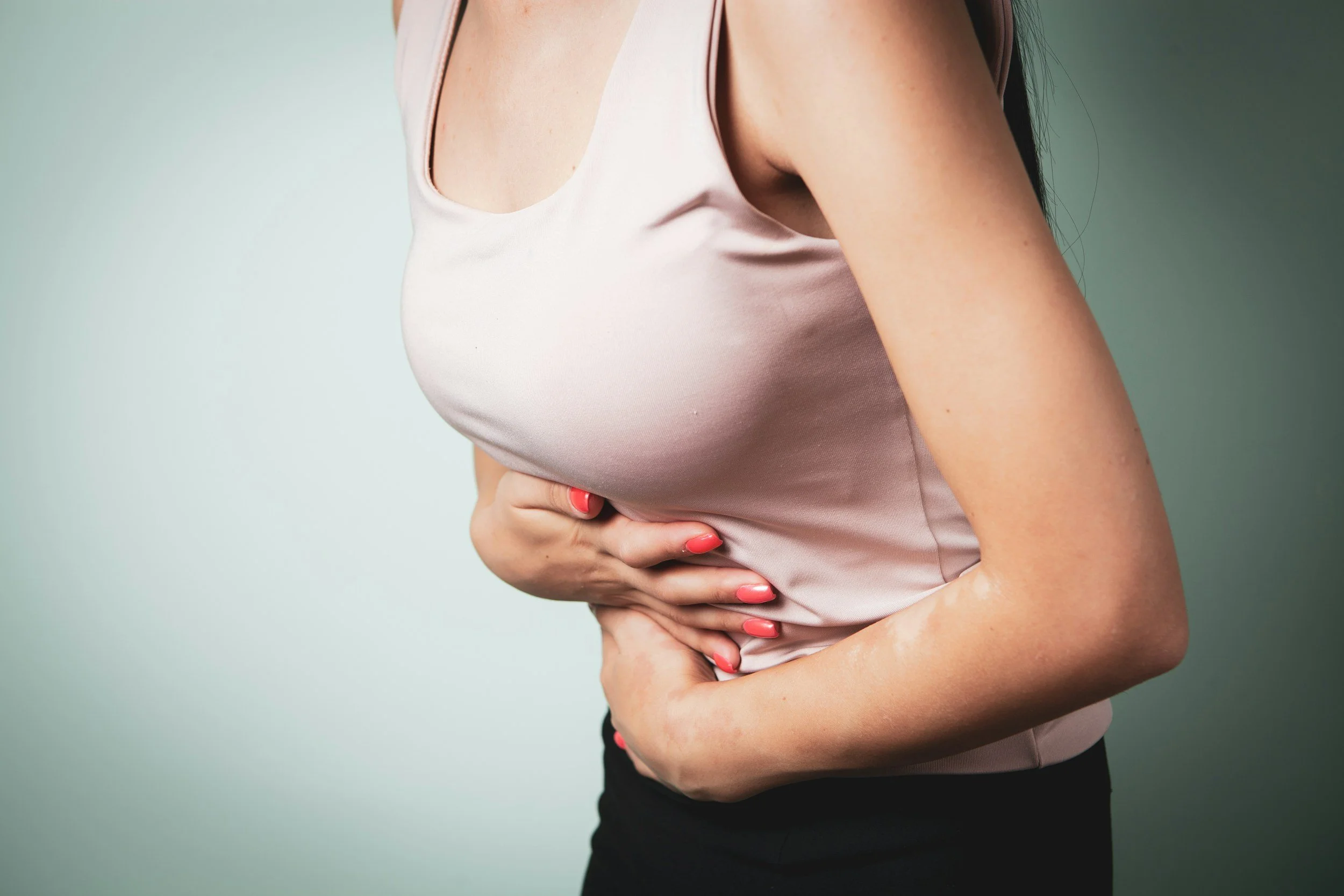
Bloating, hot flushes, 3am wakeups, mood dips - what if they're all connected, and the connection lives in your gut?
If you've been experiencing digestive symptoms like bloating, constipation, loose stools, or a gut that seems to have a mind of its own, and you're also navigating perimenopause, this is not a coincidence. The relationship between your gut and your hormones is bidirectional, deeply researched, and, honestly, one of the most underappreciated aspects of the menopause conversation.
I spent 25 years living with IBS before I understood this connection, and believe me I wasn’t getting any answers before then. And I now work with women every day who are surprised, and relieved to learn that their gut and their hormones are in constant conversation. This article is my attempt to share what the science is telling us, in plain language, so you can make more informed choices about your health.
This article covers:
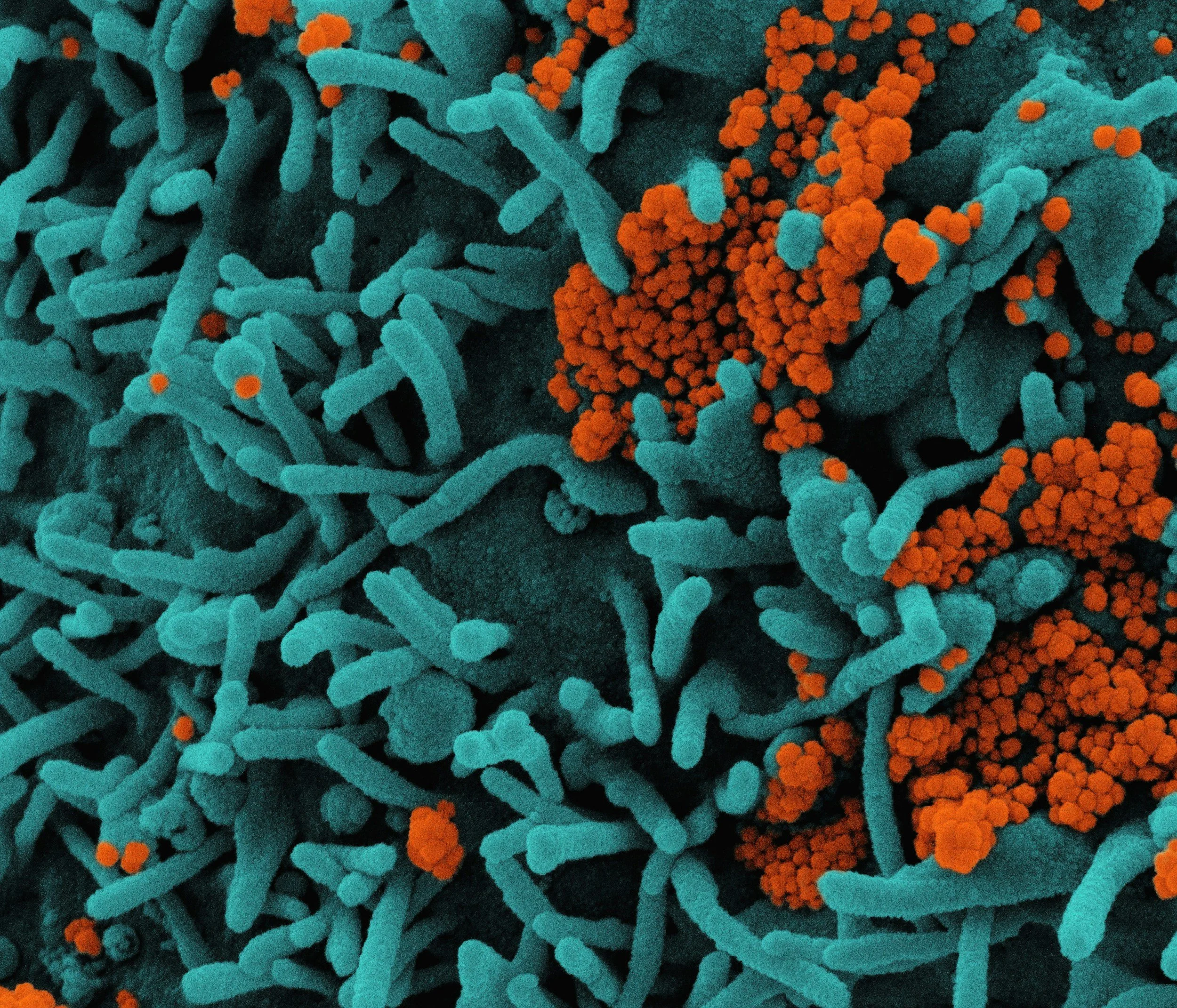
Ever wondered why some women experience worse symptoms, and others don’t? The science is starting to reveal how important your little gut friends are to hormone balance.
What Happens to Your Digestion in Perimenopause?
Perimenopause is the 2-10 year transition leading up to menopause, it can begin in the early 40s and last anywhere from a few years to over a decade. During this time, oestrogen levels don't simply decline in a straight line; they fluctuate dramatically before eventually falling. These fluctuations affect far more than just your reproductive system.
Your gut is exquisitely sensitive to oestrogen. The lining of your digestive tract contains oestrogen receptors, and changes in oestrogen levels directly influence gut motility (how quickly food moves through), intestinal permeability (the integrity of the gut lining), and the composition of your gut microbiome: the vast ecosystem of bacteria, fungi, and other microorganisms living in your digestive tract.
Research published in 2025 by Lin, Ma, and Sheng in BioMedical Engineering OnLine, confirms what many women already suspect from their own bodies: declining oestrogen during perimenopause disrupts the microbial balance throughout the body, including the gut, and this disruption is associated with a broad range of symptoms, from hot flushes and mood changes to metabolic shifts and cardiovascular risk (Lin et al., 2025).
In practical terms, this can look like:
• New or worsening bloating, particularly in the afternoon or after eating
• Changes in bowel habits: constipation, diarrhoea, or alternating between the two
• Increased food sensitivities that weren't present before
• Heartburn or reflux
• A general sense that your gut is less resilient than it used to be
• Or any of the above regularly coinciding with a particular time in your cycle
If any of this sounds familiar, know that you are not imagining it, and you are not alone.
For a deeper look at how menopause specifically drives metabolic and microbiome changes together, read my article on menopause, metabolism and microbiome changes.
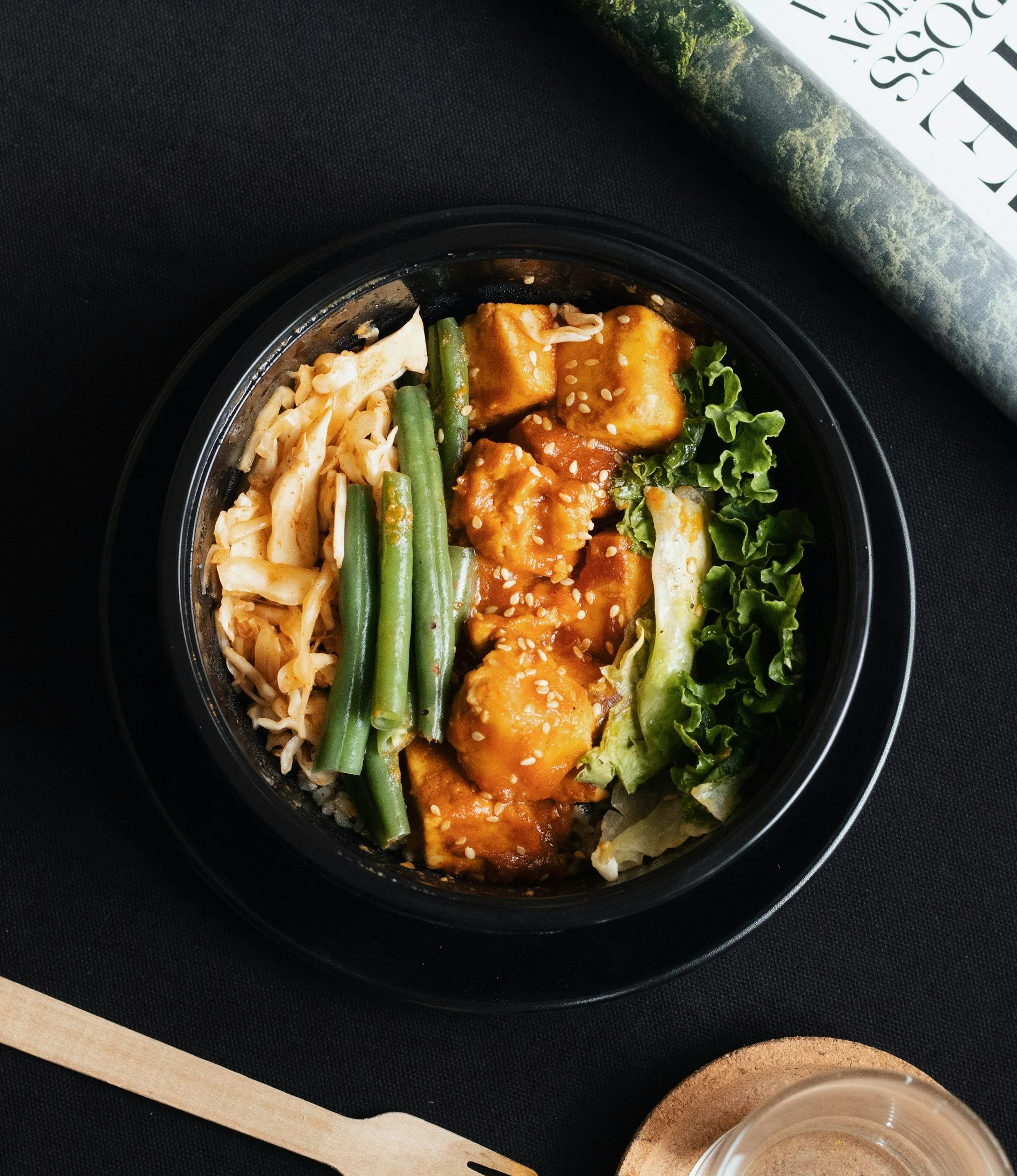
“Researchers have long noted that Japanese women tend to experience fewer and milder symptoms; such as hot flushes, night sweats than women in Western countries.”
The Estrobolome: Your Gut's Hormone Processing Hub
Here's a concept that changes the way many women think about their health: within your gut microbiome, there is a specific community of bacteria called the estrobolome. These bacteria play a critical role in metabolising and recycling oestrogen, essentially, they help regulate how much oestrogen is available to your body at any given time.
Here's how it works: oestrogen, after being used by your body, is processed by the liver, conjugated (packaged up for removal), and sent to the gut via bile. In the gut, estrobolome bacteria produce an enzyme called beta-glucuronidase, which can 'unpackage' some of that oestrogen, allowing it to be reabsorbed into circulation. When your estrobolome is healthy and balanced, this process is tightly regulated. When it's disrupted, which happens frequently in perimenopause, the consequences can ripple out across your entire hormonal picture.
An imbalanced estrobolome can contribute to either too much oestrogen being reabsorbed (some say ‘oestrogen dominance’*) linked to symptoms like heavy periods, breast tenderness, and mood swings) or too little (exacerbating the low-oestrogen symptoms of perimenopause, like hot flushes and brain fog). This is one reason why two women with similar oestrogen levels on a blood test can have entirely different symptom profiles, the gut is a key variable that bloodwork rarely captures.
According to Lin et al. (2025), declining oestrogen after perimenopause alters the richness and diversity of gut microbes, disrupts the ratio of Firmicutes to Bacteroidetes (two major bacterial groups), and significantly reduces the production of short-chain fatty acids, really key molecules that nourish the gut lining, regulate immunity, and support overall metabolic health.
*Estrogen dominance is an inaccurate term that we are moving away from. More accurately, it is a ‘relative estrogen excess’ in relation to progesterone, this includes by-products of estrogen metabolism (which have more to do with liver function) and deficiency of progesterone. It’s a complex subject that I will address in separate post.
Why the Same Diet Doesn't Work for Every Woman
Have you ever tried soy or flaxseeds for your menopause symptoms - or watched a friend have great success with it while it did nothing for you? The science now has an explanation for this.
Soy and other legumes contain plant compounds called isoflavones, most notably daidzein. In the gut, certain bacteria can convert daidzein into a compound called equol: a powerful, bioavailable molecule with oestrogen-like properties that the body uses particularly well. But here's the catch: only some people have the gut bacteria capable of making this conversion. They're called equol-producers.
A 2025 randomised, placebo-controlled crossover trial by Jarrín-Orozco et al., published in Nutrients, demonstrated this beautifully. The study found that women who were equol-producers experienced clinically meaningful improvements in menopause-related symptoms, particularly hot flushes and psychological wellbeing, when supplementing with a polyphenol-rich plant extract containing isoflavones. Women who were not equol-producers, consuming the same intervention, saw no significant benefit in these domains (Jarrín-Orozco et al., 2025).
Research on equol synthesis published in the same year confirms that equol production is mediated by specific gut bacteria: primarily strict anaerobes such as Adlercreutzia, Eggerthella, and related species (such as Slackia equolifaciens) and that this capacity is shaped by habitual diet, gut microbiome diversity, and individual microbiome composition (Zhang et al., 2025). Approximately 30–50% of people in Western populations are equol-producers, compared with significantly higher rates in populations consuming traditional Japanese diets rich in soy and diverse plant fibres.
This is not just about soy. The broader principle is that your gut microbiome has what researchers call a 'metabotype': a biological fingerprint that determines how you personally respond to specific foods, supplements, and plant compounds. The 2025 Jarrín-Orozco et al. trial identified multiple metabotypes (combinations of equol-producer status, urolithin production from pomegranate, and lunularin production from resveratrol) and found that the benefits of polyphenol supplementation were concentrated in specific metabotype subgroups. This is why generic protocols so often yield inconsistent results, and why personalised approaches matter.
The Japanese Diet Story: What It Really Tells Us
Researchers have long noted that Japanese women tend to experience fewer and milder vasomotor symptoms such as hot flushes, night sweats than women in Western countries. For decades, this was attributed to soy consumption. But the story is more nuanced and more interesting than that.
Japanese populations have significantly higher rates of equol-producers compared to Western populations and researchers attribute this directly to habitual dietary patterns. It's not simply that Japanese women eat more soy; it's that habitual soy consumption, combined with the diverse fibre and fermented foods of a traditional Japanese diet, cultivates the specific gut bacteria needed to produce equol (Zhang et al., 2025).
What's striking is that this is now changing. As younger generations in Japan adopt more Westernised dietary patterns, researchers are documenting a decline in equol-producer rates. The gut microbiome is shifting, and with it, potentially, the menopause experience. This suggests that the protective effect isn't genetic; it's environmental and dietary, which means it's modifiable.
Clinical evidence supports this picture. A randomised, double-blind, placebo-controlled trial by Aso et al. (2012) in postmenopausal Japanese women who were not equol-producers found that supplementation with natural S-equol led to a nearly 59% reduction in hot flush frequency, compared to 35% in the placebo group. Women who were already equol-producers, whose gut bacteria were doing this work every day through their diet, reported milder menopause symptoms from the outset.
It's important to be honest about the nuance here: we cannot yet say with certainty that eating more soy will turn a non-producer into a producer. The relationship between diet, gut bacteria, and equol production is well-supported by research but not fully proven as causal in humans. What the science does tell us clearly is that gut diversity matters enormously, that habitual diet shapes that diversity, and that consistent exposure to soy isoflavones and diverse plant fibre creates the conditions in which equol-producing bacteria are more likely to thrive.

Your gut microbes can influence the appearance, frequency and severity of vasomotor symptoms such as hot flushes - and it doesn’t end there!
Beyond Hot Flushes: The Far-Reaching Impact of Gut Changes in Perimenopause
The gut-hormone connection in perimenopause extends well beyond hot flushes. Lin et al. (2025) identified gut microbiome disruption as a contributing factor in a range of health outcomes that perimenopausal women face, including:
• Cardiovascular health: Changes in the duodenal microbiome after menopause are linked to elevated fasting blood glucose, reduced microbial diversity, and increased cardiovascular disease risk. Women not on hormone therapy showed notably different (and more concerning) microbial profiles than those who were.
• Bone density: Gut bacteria influence calcium absorption and bone metabolism signalling pathways. Specific probiotics have been found to reduce bone loss by modulating these pathways.
• Metabolic health: Menopause-related microbiome changes are associated with increased risk of weight gain, insulin resistance, type 2 diabetes, and metabolic-associated fatty liver disease.
• Mental health and sleep: Gut bacteria influence neurotransmitter synthesis and metabolism, including serotonin, dopamine, and GABA. Disruption of the gut microbiome in perimenopause may contribute to anxiety, low mood, and the sleep disturbances so many women experience.
• Immune function: Oestrogen actively regulates immune cell activity. As oestrogen declines, immune surveillance changes (like histamine), which may partly explain why many women develop new food sensitivities, autoimmune conditions, or inflammatory responses in perimenopause.
These are not separate issues, they are interconnected systems, all influenced by the gut microbiome. Supporting your gut health in perimenopause is not just about digestion; it's a foundational investment in your long-term health.
Simple, Powerful Steps to Support Your Gut Health
The good news is that the gut microbiome is remarkably responsive to lifestyle and dietary changes. Some of the most impactful things you can do are also the most accessible. Here are evidence-informed starting points.
1. Slow Down and Eat Mindfully - It’s More Powerful Than You Think
This might sound like a minor lifestyle tip, but the physiological impact of eating slowly and mindfully is genuinely dramatic, and it's frequently underestimated even by health professionals.
When you eat quickly, under stress, or on the go, your nervous system is in a sympathetic (fight-or-flight) state. Digestion is a parasympathetic (rest-and-digest) function and the two cannot operate well simultaneously. Eating quickly reduces saliva production (saliva contains digestive enzymes critical for carbohydrate breakdown and begins the digestive process), impairs stomach acid secretion, slows gastric emptying, and reduces the production of digestive enzymes from the pancreas. The downstream effects include poor nutrient absorption, increased gas and bloating, and a gut environment that is less hospitable to beneficial bacteria.
Eating slowly: taking a breath before meals, chewing thoroughly (aim for 20–30 chews per bite), putting your fork down between mouthfuls, and eating without screens, activates the vagus nerve and shifts the body into the parasympathetic state that allows full digestion. Many women report dramatic reductions in bloating and digestive discomfort from this change alone, often within days. If you try nothing else from this article, try this.
2. Dramatically Increase Plant Diversity, Aim for 30 Different Plants Per Week
The single most important dietary shift you can make for your gut microbiome is eating a wide variety of plants. Different species of gut bacteria have different food preferences, and a diverse microbiome requires a diverse diet to sustain it. The estrobolome, in particular, thrives on polyphenol-rich plant foods and diverse fibres.
It sounds like a lot, but if you were to have red rice, black rice & brown rice mixed together - that’s 3 foods, if you have a morning smoothie and you add mixed berries, a kiwi fruit and a handful of spinach that another 5! Start by counting individual plants that you eat now, and the quantity doesn’t matter - remember every plant is feeding a different microbe and what we want is diversity, the more types of microbes: the better!
Prioritise: brassica vegetables (broccoli, kale, cabbage, Brussels sprouts - these are particularly supportive of oestrogen detoxification pathways in the liver), red and purple foods (berries, red onion, purple cabbage, beetroot - rich in polyphenols called anthocyanins), legumes, seeds, herbs, and a rotating variety of vegetables. If you tolerate it, organic soy in whole food forms like edamame, tempeh, miso, tofu which provides the isoflavone substrate that equol-producing bacteria work with.
A practical approach: count plants across a week rather than a day. Herbs and spices count, so does adding a sprinkle of mixed seeds. The goal is diversity, not perfection.
Tremella mushroom is one of the medicinal mushrooms (and all culinary mushrooms - which all count as ‘plant foods’ in this case) I recommend most for perimenopausal women for exactly this reason. Read more about why here.
3. Prioritise Fibre and Resistant Starch
Dietary fibre is the primary food source for beneficial gut bacteria. Lin et al. (2025) notes that fibre-rich diets support the proliferation of beneficial bacteria like Bifidobacteria, while diets high in sugar and fat disrupt the intestinal microbiome and this effect is amplified during perimenopause when the microbiome is already under pressure.
Resistant starch is a particular type of starch that resists digestion in the small intestine and acts as a prebiotic: food for your gut bacteria, in the large intestine. Good sources include slightly underripe bananas (or green banana flour), cooked and cooled potatoes or rice, legumes, oats, and green peas. The cooling process after cooking converts some digestible starch into resistant starch, so leftover rice or potato salad is genuinely more beneficial for your microbiome than freshly cooked. What’s more, reheating it the next day doesn’t change it back, once it’s resistant starch it stays as resistant starch. Resistant starch doesn’t digest in the same way as it’s original form, meaning we don’t derive the same calories from it: great for weight management, too!
Soluble fibres: found in oats, flaxseeds, apples, legumes, and psyllium also feed beneficial bacteria and help regulate bowel transit time, which supports healthy oestrogen clearance. Aim to build up fibre intake gradually to avoid digestive discomfort, and always increase water intake alongside fibre. Make up a batch of rhubarb, apple and ginger or cinnamon to have with your breakfast oats - delicious!
4. Fermented Foods - With an Important Caveat for Histamine Sensitivity
Fermented foods like yoghurt, kefir, sauerkraut, kimchi, miso, and tempeh contain live bacteria that can support gut diversity. Research supports their role in improving microbial community structure, enhancing immune function, and reducing inflammatory markers.
However: and this is important, many women in perimenopause develop histamine sensitivity, and fermented foods are naturally high in histamine. Histamine is a compound that, in sensitive individuals, can trigger symptoms including flushing, headaches, heart palpitations, itching, gut distress, and worsening hot flushes. If you notice that fermented foods seem to aggravate your symptoms, this is a valid response and worth investigating rather than pushing through.
Taking pharmaceutical antihistamines to counter this
The reason histamine sensitivity often emerges in perimenopause is partly hormonal: oestrogen stimulates mast cells (which release histamine) and also inhibits the enzyme DAO (diamine oxidase) that breaks histamine down. As oestrogen fluctuates, histamine clearance can become impaired. If this resonates with your experience, start with the plant diversity and fibre steps above, and discuss histamine sensitivity with a practitioner before prioritising fermented foods.
5. Reduce the Things That Disrupt Your Gut Microbiome
Some factors are particularly disruptive to the gut microbiome in perimenopause. Antibiotics, while sometimes necessary, cause significant disruption to beneficial bacteria - always support your gut with probiotics and prebiotic foods during and after a course. Diets high in ultra-processed foods, sugar, and refined carbohydrates feed less beneficial bacterial species and contribute to dysbiosis. Chronic stress, insufficient sleep, and alcohol also negatively alter gut microbiome composition.
5. Movement and sunshine
Regular movement, even walking, has been shown to support intestinal motility and microbial diversity. Sleep, stress management, and reducing alcohol intake are not just general wellness advice; they are meaningful gut health interventions.
And, surprisingly 10-15 minutes of sunshine on your bare abdomen helps regulate your microbes clock genes! Yes, your gut microbes have a circadian rhythm of their own and it helps us too. Ideally, between around 10 am and 3 pm to maximise the red spectrum frequencies, which can penetrate the body up to 8 cm in depth, with NO sunscreen, moisturiser or other creams or oils - just bare skin. The most important rule: DON’T GET BURNED - if you have fair skin, and/or lots of moles then reduce the amount of time in the sun and check your melanoma risk via this app. and when your skin starts to get pink, times up. Consistency over quantity - a little each day is better than a lot on one day.

If you're reading this and recognising yourself in these symptoms, you don't have to figure it out alone.
Every woman's gut microbiome and hormonal picture is different, and a personalised approach will always get better results than a generic one.
Book a free discovery call and let's talk about what's going on for you.
What Research Doesn't Yet Tell Us & What I'd Like to Explore Further
I want to be transparent about the gaps in the current evidence base, because intellectual honesty is part of good clinical communication.
The studies available to me are strong in establishing associations between gut microbiome changes and perimenopause symptoms, and in demonstrating the clinical impact of equol producer status. What the research doesn't yet clearly map is:
• Specifically how eating slowly and mindfully impacts the perimenopausal gut microbiome - the mechanistic data is indirect. I would love to find randomised trials specifically measuring the impact of meal pacing on gut diversity in perimenopausal women.
• Whether targeted dietary interventions can convert equol non-producers to producers - this is biologically plausible and supported by correlational evidence, but causal human trials are still limited.
• The specific dietary and probiotic protocols most effective for supporting the estrobolome in perimenopause specifically (as distinct from post-menopause, which is more studied).
• The relationship between histamine intolerance, oestrogen fluctuations, and gut permeability in perimenopause, a mechanistic area that deserves dedicated research.
• The long-term effects of resistant starch and specific prebiotic fibres on the estrobolome and hormone clearance in perimenopausal women.
These are areas I actively keep an eye on, and I'll continue to share updates as the research develops.
The Bottom Line
Your gut is not just a digestive organ. In perimenopause, it is a central player in your hormonal health, influencing how you clear oestrogen, whether plant compounds work for you, and the risk profile for conditions far beyond hot flushes. The science is still emerging, but the direction is clear: a diverse, well-nourished gut microbiome is one of the most powerful levers you have for navigating perimenopause well.
Start with the foundations: slow down when you eat, add plants, feed your gut bacteria with fibre and resistant starch, and be thoughtful about fermented foods if you have any histamine sensitivity. These are not small things. Done consistently, they are profound.
If you are also experiencing bloating, constipation, diarrhoea or symptoms that suggest something more complex like SIBO, this article on SIBO and natural strategies explains what may be going on and what can be done about it.

Or, if you want to go deeper…
to understand what your gut specifically needs, whether you're likely an equol producer, and what a personalised approach might look like for your unique picture - that's what I'm here for.
Click the link and book a free discovery call.
Tell me a bit about what's going on for you, and I’ll let you know if and how I can help.
There’s no obligation, it’s simply an opportunity to see if I’m the right practitioner for you.
-
References
Aso, T., Uchiyama, S., Matsumura, Y., Taguchi, M., Nozaki, M., Takamatsu, K., Ishizuka, B., Kubota, T., Mizunuma, H., & Ohta, H. (2012). A natural S-equol supplement alleviates hot flushes and other menopausal symptoms in equol nonproducing postmenopausal Japanese women. Journal of Women's Health, 21(1), 92–100. https://doi.org/10.1089/jwh.2011.2753
Jarrín-Orozco, M. P., Romo-Vaquero, M., Carrascosa, C., Pertegal, M., Berná, J., Puigcerver, J., Saura-Sanmartín, A., Espinosa-Salinas, I., García-Nicolás, M., Ávila-Gálvez, M. Á., & Espín, J. C. (2025). Polyphenol-related gut metabotype signatures linked to quality of life in postmenopausal women: A randomized, placebo-controlled crossover trial. Nutrients, 17(22), 3572. https://doi.org/10.3390/nu17223572
Lin, F., Ma, L., & Sheng, Z. (2025). Health disorders in menopausal women: Microbiome alterations, associated problems, and possible treatments. BioMedical Engineering OnLine, 24, 84. https://doi.org/10.1186/s12938-025-01415-3
Zhang, T., Wang, B., Wang, C., Bai, J., Zhou, J., & Chen, J. (2025). In vivo and in vitro mechanisms of equol synthesis and key influencing factors: A critical review. Nutrients, 17(21), 3449. https://doi.org/10.3390/nu17213449
Note: Social media content and framing adapted from original practitioner educational reels by Julie [Naturopath, Melbourne]. Alos, discussed in some episodes of The Nuanced Naturopaths. Additional references cited within those reels and used for clinical context:
Himori, N., Uchida, K., Ninomiya, T., Nagai, M., Sato, K., Tsuda, S., Omodaka, K., & Nakazawa, T. (2024). The relationship between equol production status and normal tension glaucoma. International Ophthalmology, 44(1), 287. https://doi.org/10.1007/s10792-024-03225-3
Frequently Asked Questions
-
Yes. Declining and fluctuating oestrogen during perimenopause directly affects gut motility, the integrity of the gut lining, and the composition of the gut microbiome. This can lead to new or worsening symptoms including bloating, constipation, diarrhoea, and increased food sensitivities, even if you have never had digestive issues before.
If your gut symptoms started or worsened in your 40s, perimenopause is a very plausible contributing factor. -
The estrobolome is the collection of gut bacteria responsible for metabolising and recycling oestrogen. When your estrobolome is balanced, oestrogen is efficiently cleared from the body. When it's disrupted, as commonly happens during perimenopause, oestrogen metabolism becomes dysregulated, which can worsen hormonal symptoms. Supporting the estrobolome through dietary diversity and fibre is a meaningful way to support hormone balance.
-
Equol is a compound produced by specific gut bacteria when they metabolise daidzein, an isoflavone found in soy and other legumes. It has oestrogen-like properties that can help reduce menopause symptoms, particularly hot flushes. Only approximately 30–50% of people in Western populations have the gut bacteria capable of producing equol: they're called equol producers. If you're a non-producer, soy isoflavones may not convert to their most active form in your body, which explains why the same diet or supplement works brilliantly for one woman and not at all for another.
-
This is an active area of research and the honest answer is: we don't know for certain yet. What the evidence does show is that populations who habitually eat diverse plant-based diets rich in soy and fermented foods have higher rates of equol producers. This suggests that diet shapes the gut environment in which equol-producing bacteria can thrive. Whether dietary changes alone can convert a non-producer to a producer is not yet proven in human trials, but supporting gut diversity broadly is a sensible strategy regardless.
-
Fermented foods are high in histamine, a compound involved in immune responses. During perimenopause, oestrogen fluctuations can impair the enzyme (DAO - diamine oxidase) that breaks down histamine, making many women more reactive to histamine-containing foods. Symptoms can include flushing, headaches (including migraines), palpitations, gut distress, and worsened hot flushes. If this is happening for you, histamine sensitivity is worth investigating with a practitioner. It doesn't mean fermented foods are forever off the table, but timing and quantity matter, and other gut-supportive strategies may need to come first.
-
Resistant starch is a type of carbohydrate that isn't digested in the small intestine, instead, it travels to the large intestine where it acts as food for beneficial gut bacteria (a prebiotic). Good sources include slightly underripe bananas, cooked and cooled potatoes or rice, legumes, oats, and green peas. Resistant starch supports the production of short-chain fatty acids, which nourish the gut lining, regulate immune function, and support the bacterial diversity so important during perimenopause. The bonus is that it’s great for weight management too!
-
Eating slowly activates the parasympathetic nervous system or: the 'rest and digest' state, which is required for proper digestion. When we eat quickly or under stress, digestion is impaired at multiple levels: less saliva (which contains digestive enzymes), reduced stomach acid, slower gastric emptying, and reduced enzyme secretion from the pancreas. The result is poorly digested food reaching the lower gut, feeding less beneficial bacteria and causing gas, bloating, and discomfort. Slowing down is not a trivial suggestion, it is physiologically meaningful and often produces rapid, noticeable results.
-
Yes! And this is one of the most fascinating and clinically relevant aspects of the gut-hormone connection. The gut produces and regulates neurotransmitters including serotonin, dopamine, and GABA, all of which influence mood, anxiety, and sleep quality. Research has shown that probiotics can improve emotional state, reduce anxiety and depression, and support sleep quality in menopausal women (Lin et al., 2025). The gut-brain axis is a two-way communication highway, and supporting your gut in perimenopause is a meaningful strategy for psychological and sleep health, not just physical symptoms.