

Menopause, Metabolism and the Microbiome: What's Really Changing?
Menopause triggers significant shifts in gut microbiome composition and metabolic function. Melbourne naturopath Julie Forrester explains what is happening, why it causes weight changes and digestive symptoms, and how naturopathic care can help.

Menopause and IBS: What is the Connection?
Research shows IBS symptoms worsen significantly during perimenopause and menopause. Melbourne naturopath Julie Forrester explains the hormonal mechanisms driving the gut-menopause connection and what you can do naturally to manage both.

Gut Health and Perimenopause: How Your Digestive System Is Driving Your Hormonal Symptoms
Your gut does far more than digest food - in perimenopause, it plays a central role in how your body processes and clears oestrogen. From bloating and bowel changes to hot flushes and mood dips, the gut-hormone connection explains symptoms that are too often dismissed. This article explores the science behind the estrobolome, equol-producing bacteria, and simple dietary steps to support your digestive health through perimenopause and beyond.

Side Effects - Vitamin B6 and Paracetamol
Side effects
Following on from The Nuanced Naturopaths podcast on the subjects (ep. 44 andep. 46). A topic that’s super relevant for anyone who’s ever taken a supplement or popped a painkiller: side effects or more correctly, ‘Adverse Drug Reactions’. Yes, those pesky little (or big) things that sometimes come along with our health remedies (pharmaceutical, herbal or otherwise). We’ll explore the buzz around Vitamin B6, and the concerns about paracetamol/acetaminophen, and why it’s essential to ask the right questions about what we put into our bodies.
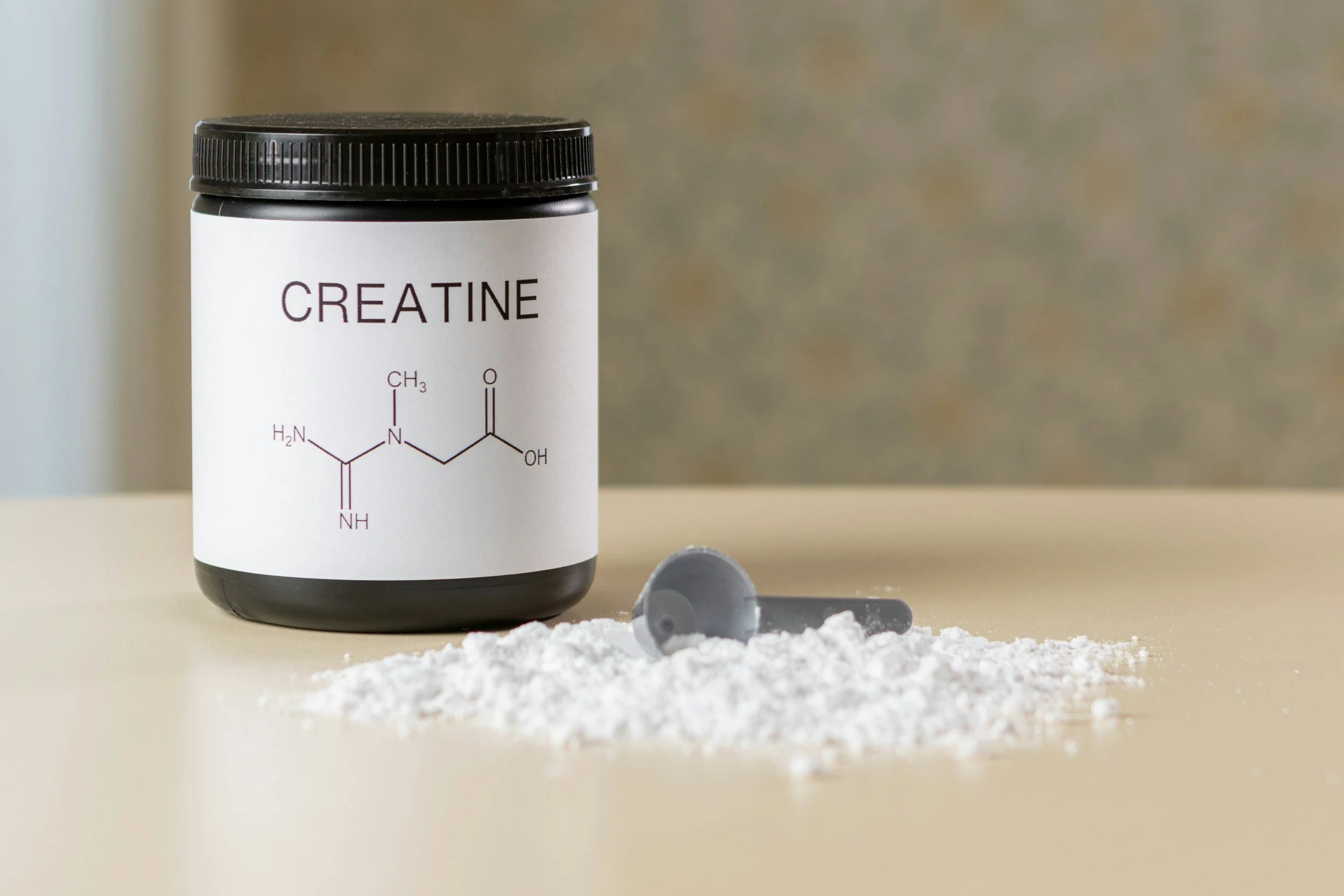
The nuance of Creatine in Perimenopause & Menopause: What you’re not being told.
Creatine is having a moment in the menopause space, and the research behind the enthusiasm is genuine. But the gap between 'may benefit some women' and 'everyone should take it' is significant — and it's being quietly filled with hype. Here's the honest, evidence-based picture.

The Human Microbiome - what’s the latest?
In recent years, the research into the trillions of microbes that co-exist with humans, in, on and around our body’s has exploded with over 18,500 papers published in 2024! This article is a summary of the 6 most important discoveries from those papers, and what it means for our health.
Your Health Fund, Your Gut, Your Hormones: What the Naturopathy Rebate Means for You in 2026
Australia has legislated the reinstatement of private health insurance rebates for naturopathy. For the millions of women navigating perimenopause, many of whom have been managing gut symptoms and hormonal changes with natural therapies at full cost, this is a significant shift. Here is what it means for you, and what to do next.

Heart Health After Menopause: Why Cholesterol Is Only Part of the Story
If you've arrived at this article because your cholesterol went up and you weren't sure why, there's a good chance the answer is hormonal. Perimenopause-related cholesterol changes are real, well-documented, and largely under-discussed in clinical settings. Understanding them as part of a broader biological picture, rather than a dietary or lifestyle failure, is the first step toward a genuinely informed response.
Heart disease isn't explained by cholesterol alone. High LDL significantly raises risk and the evidence for that is strong and consistent. But whether that risk actually leads to disease depends on the health of your artery walls, the degree of inflammation in your body, your hormonal environment, your sleep and daily rhythms, and a complex web of factors that a single number on a blood test simply can't capture.

Lion’s Mane Mushroom: Nature’s brain tonic
Lion’s Mane Mushroom, one of the most recognised for supporting brain health, cognition, memory and neuron development. Did you know that it also has effects in supporting gut health, heart and vascular health and regulating blood sugar and metabolism. For anyone looking for brain support in neurodegenerative disorders, multiple sclerosis, perimenopause, menopause, cardiovascular disease and diabetes or obesity - this is one mighty medicinal mushroom!

Tremella: The Beauty Mushroom for Perimenopausal Skin, Hormones and Gut Health
Tremella has a long and valued history since the Tang Dynasty in China for beauty, and for health. Western science is catching up, revealling Tremella’s role in improving skin health, anti-ageing, immune health and metabolic health. It is a menopausal and perimenopausal woman’s best friend, supporting brain health with research revealing improvement in memory and cognition. It has roles in modulating the microbiome, reducing blood sugar, supporting the gut, protecting the liver and all while improving skin tone and texture. What more could you want?!

'Bali Belly' - How to Recover Naturally
It may be called Bali Belly, the Rangoon Runs or Montezuma’s Revenge but it can happen anywhere! What is happening? Why does travelling upset your gut? What are the long term consequences? And, most importantly, what natural remedies can you use to help diarrhoea/ Bali Belly? What are some of the traditional natural remedies for diarrhoea and gastro?
A comprehensive look at the symptoms, causes, contributing factors, conventional treatments and how some of the local natural and traditional remedies can help reduce symptoms and assist in a speedier recovery from traveller’s diarrhoea.

Your microbiome affects…
Literally EVERY aspect of your health is affected by the number, type, and diversity of the microbes in your gut. That makes them an organ in their own right - and a powerful way of improving your health. From the food you eat, to the products you put on your skin, medications, stress, infections, environmental chemicals - it all impacts your microbiome. It’s the kind of thing that’s important enough to get some guidance on (much better than social media!). Science is only just discovering just how crucial these little organisms are in keeping us healthy - without them, we’re toast!

Meditation - what is the big deal?
Meditation, what is the big deal? Tips and tricks for beginners.

Natural alternatives vs GLP-1 drugs… or both?
It’s hard to avoid the talk about Ozempic, Mounjaro, Wegovy or other GLP-1 receptor agonists and obesity. Everyone seems to be taking it, and for some, it’s the answer!
For some, the risks, side effects or their own medications or health conditions mean they can’t take them. Others don’t want to take any kind of drugs. This comprehensive article describes what these drugs are, what they do, and how natural ozempic (GLP-1) alternatives can help get better results out of alongside drug treatment, or as an alternative solution. The risks, the pros and cons of GLP-1 drugs, versus natural alternatives and how you can decide which might be the best for you.

Sunlight's Critical Role in Metabolism & Weight Management
Sunlight's Critical Role in Metabolism & Weight Management
Sunlight is more than just a source of warmth—it's a powerful metabolic catalyst that can transform your body's energy production. Our cells contain tiny power plants called mitochondria, which respond dramatically to light exposure. By understanding how strategic sun interaction works, you can boost metabolism, enhance weight management, and improve overall health.
This exploration reveals how just 10-15 minutes of daily sunlight can:
Accelerate cellular energy production
Support natural weight loss
Improve metabolic flexibility
Reduce inflammation
Enhance overall physiological functioning
Discover how nature's most accessible resource can become your wellness ally.

Butyrate: Unlocking the Secrets to Digestive Health
Explore how the short-chain fatty acids butyrate, acetate, and propionate—produced by gut microbes—support digestive health, immune function, and metabolic balance. Learn dietary strategies to promote SCFA production and why practitioner-led approaches are key to safe and effective gut support.

Taking vitamin D versus Making vitamin D
The Surprising Truth About Vitamin D: Sunlight vs. Supplements
Vitamin D3 has become a hot topic in health conversations, shifting focus from calcium to its critical role in bone health and beyond. Research links deficiency to suppressed immunity, autoimmune diseases, and more, though supplement studies have fallen short of expectations. During the COVID pandemic, its importance was highlighted, with low levels tied to worse outcomes. But is the vitamin D we make from sunlight the same as what’s in capsules? This article explores the benefits of natural vitamin D production, other molecules made from sun exposure, and whether supplements are truly the answer—or if we’ve misunderstood this vital nutrient.

How sunshine influences gut health
Circadian rhythm is so much more than the sleep and wake cycle, or even when to eat. It governs every cell to optimise tasks at different times of the day. The microbiome, too, works differently depending on the time of day, and a number of aspects of digestion are timed. So, how does the body tell the time? How does circadian signalling impact digestion and the microbiome? And, how can you improve your gut health with getting your light exposure right? This post explains why circadian signalling is important for the whole body, in particular the gastrointestinal tract and all of the organs of digestion, and how to optimise your digestive health by improving your circadian rhythm.

Mitochondrial health, sunshine, sleep and frequencies
The most important regulator of ALL health in the body is a tiny little bean-like structure contained in all of our cells. Called the mitochondria it’s commonly known as ‘the powerhouse of the cell’, and new advances in science that bring Quantum physics and biology together, shows that this powerhouse is SO much more than that. And the ways we can improve it are literally outside our front door, free, and easy.

Simple hacks to improve sleep. How sleep impacts health, weight, and mood.
Sleep, we all do it, in fact, we spend around a third of our life asleep.
Some of us are better at it, and some struggle to consistently get good sleep. These patterns can change in different life stages, and some people seem to survive on only a few hours each night!
This article aims to answer all the questions…What happens in sleep? How does it affect our health? Why is it important and how to get better at longer, deeper and more restful sleep for better health? And, is it really possible to get away with less than optimal sleep?